Oceans Asmr Nude Ks1 Geography The Of The World Bbc Teach
Watch For Free oceans asmr nude exclusive live feed. No monthly payments on our digital collection. Immerse yourself in a broad range of shows put on display in premium quality, a dream come true for first-class streaming gurus. With fresh content, you’ll always remain up-to-date. See oceans asmr nude arranged streaming in breathtaking quality for a truly enthralling experience. Sign up for our digital space today to look at select high-quality media with free of charge, access without subscription. Get frequent new content and dive into a realm of specialized creator content developed for elite media devotees. Don't pass up never-before-seen footage—download now with speed! See the very best from oceans asmr nude bespoke user media with flawless imaging and members-only picks.
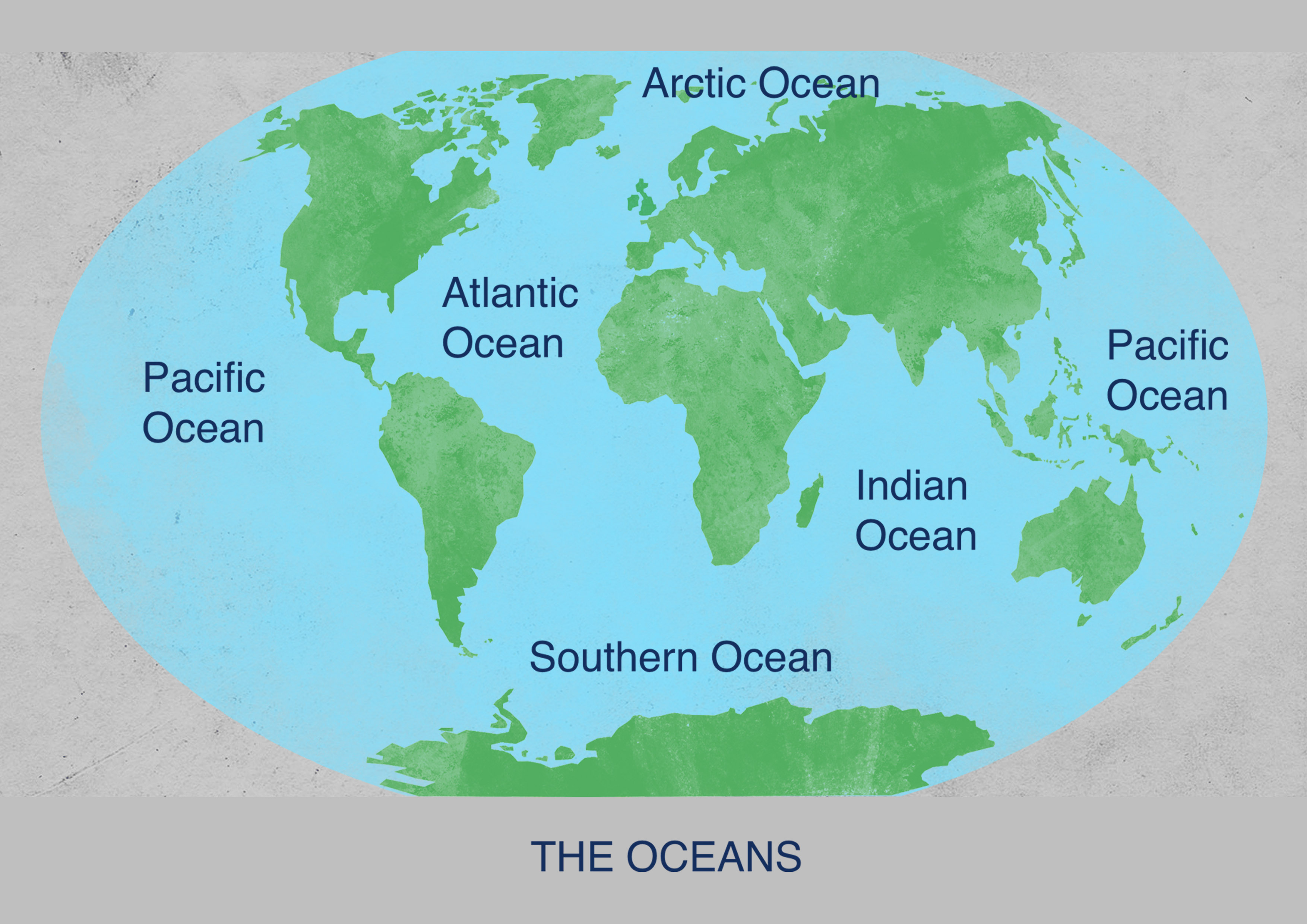
Roughly 71 percent of earth’s surface is covered by saltwater oceans, and the continents themselves hold lakes, rivers, and, in some instances, seas The pacific, atlantic, indian, southern, and arctic oceans. The largest bodies of water are the oceans, but there is some ongoing discussion regarding the actual number of separate oceans.
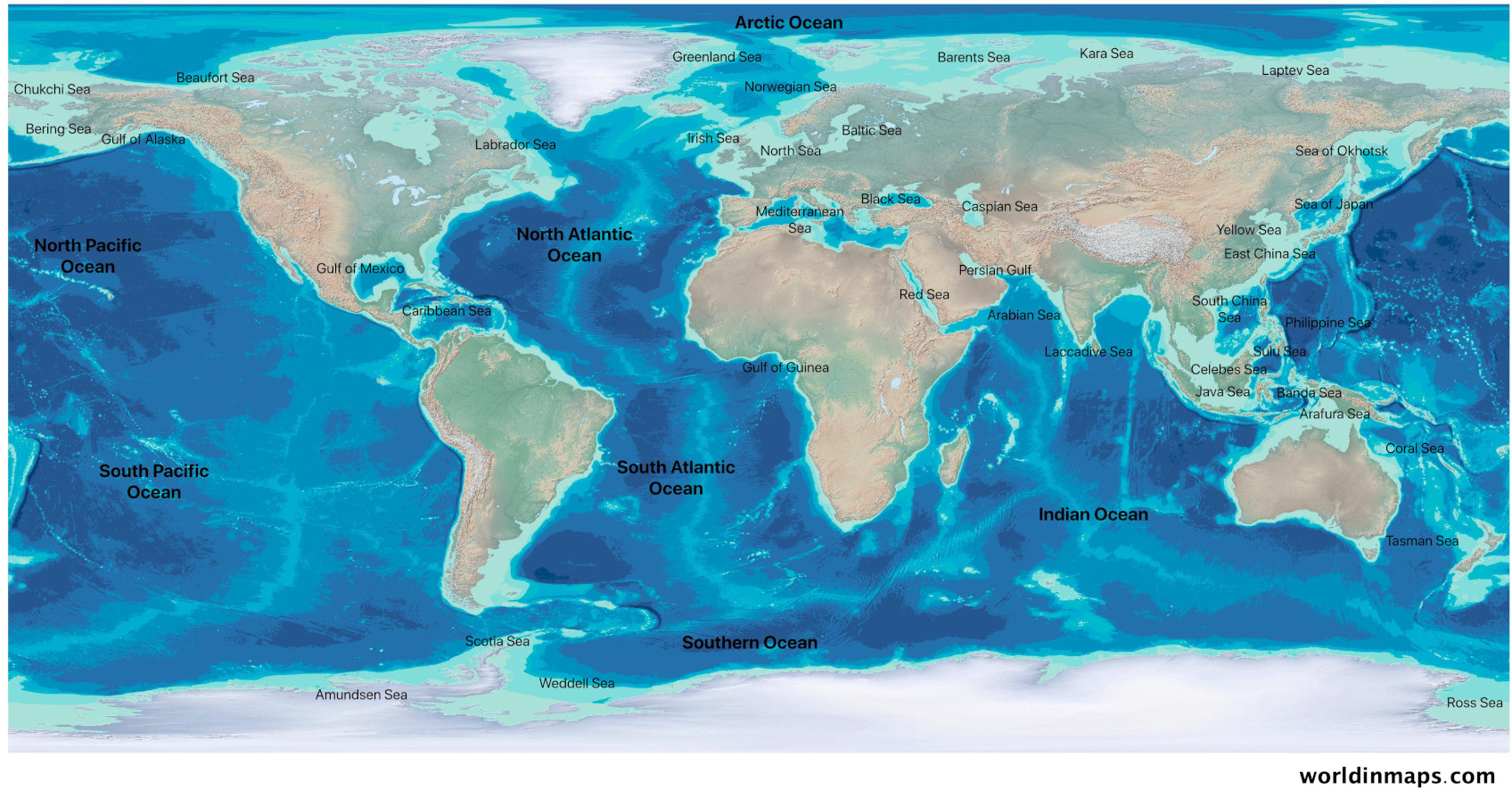
World oceans map - World in maps
For practical and historical reasons, it is customary to divide the world ocean into a set of five major oceans There are five major oceans on earth By convention these are the pacific, atlantic, indian, arctic, and southern (antarctic) oceans.
An ocean is a continuous body of salt water that is contained in an enormous basin on earth’s surface
The major oceans and their marginal seas cover nearly 71 percent of earth’s surface, with an average depth of 3,688 metres (12,100 feet). Historically, there are four named oceans The atlantic, pacific, indian, and arctic The vast bodies of water surrounding the continents are critical to life on earth
But overfishing and global warming threaten to leave oceans barren. The ocean is a huge body of saltwater that covers about 71 percent of earth’s surface The planet has one global ocean, though oceanographers and the countries of the world have traditionally divided it into five distinct regions The pacific, atlantic, indian, and arctic oceans.
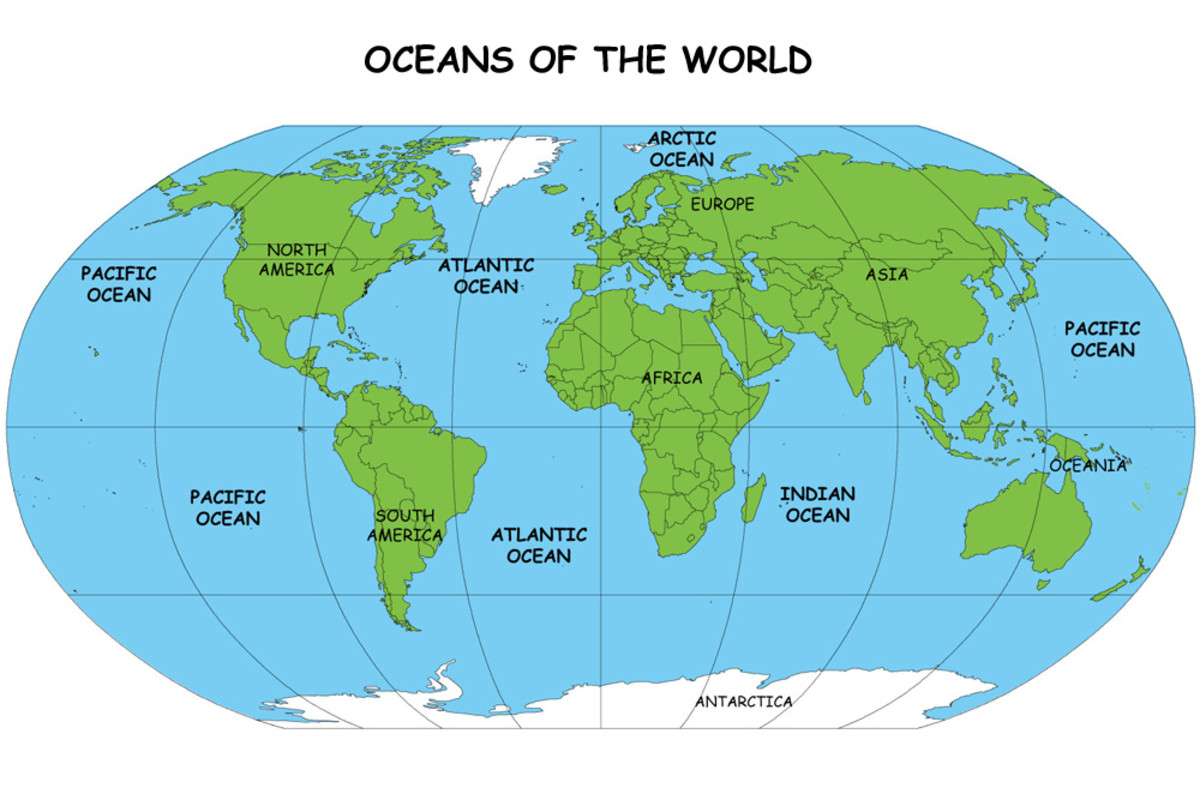
The ocean covers more than 70% of earth’s surface and contains 97% of the planet’s water
This vast, critical reservoir supports a abundance of life and helps regulate earth’s climate. Oceans the largest of all the ecosystems, oceans are very large bodies of water that dominate the earth's surface Like ponds and lakes, the ocean regions are separated into separate zones Intertidal, pelagic, abyssal, and benthic
All four zones have a great diversity of species Some say that the ocean contains the richest diversity of species even though it contains fewer species than. Covering about 70% of the earth's surface, the oceans are a highly productive system which continuously recycles chemicals, nutrients and water through the 'hydrological cycle', which powers climate and weather, and which regulates global temperature by acting as a giant heat reservoir from the sun. Oceans are vast bodies of saltwater that cover about 71% of the earth's surface, playing a critical role in supporting life and regulating the planet’s climate